Learn by the book
Classic short stories in English adapted to your level. At the lower levels the language simplifies, but sentence by sentence the author's voice comes back. Until the original is yours.
Coming October 2026
Every sentence rewritten for your level
Every story comes in three adapted levels below the author's original. Beginner keeps to around 2,800 essential words and simple tenses. Intermediate grows to around 5,400, with conditionals and reported speech. Advanced reaches around 13,000, with idioms and structures closer to the author's voice. And the Original is the story exactly as it was written. Every sentence is validated against a vocabulary profile and a grammar framework of 45+ structures.

I smiled,1 — for what had I to fear? I bade2 the gentlemen welcome. The shriek, I said, was my own in a dream. The old man, I mentioned, was absent in the country.
I smiled,1 — for what had I to fear? I welcomed2 the gentlemen. The scream, I said, was my own in a dream. The old man, I mentioned, was absent in the country.
I smiled,1 — for what had I to fear? I welcomed2 the gentlemen. The scream, I said, was my own in a dream. The old man, I told them, was absent in the country.
I smiled,1 — for what was2 there to make me afraid? I met the men. The scream, I said, was mine in a dream. The old man, I told them, was out in the country.

Jim stopped1 inside the door, as immovable as2 a setter at the scent of quail. His eyes were fixed3 upon Della, and there was an expression in them that she could not read,4 and it terrified5 her. It was not anger, nor surprise, nor disapproval, nor horror, nor any of the sentiments that she had been prepared6 for. He simply stared at her fixedly with that peculiar expression on his face.
Jim stopped1 inside the door, as still as2 a hunting dog at the scent of game birds. He stared3 at Della, and there was an expression in his eyes that she could not read,4 and it terrified her. It was not anger, nor surprise, nor blame, nor horror, nor any of the reactions that she had been prepared5 for. He simply stared at her steadily with that odd expression on his face.
Jim stopped1 inside the door, as still as2 a hunter's dog when it smells wild birds.3 He looked4 at Della, and there was an expression in his eyes that she could not understand,5 and it frightened her. It was not anger, surprise, fear, or anything else that she was6 ready for. He simply kept looking7 at her with that strange expression on his face.
Jim stopped1 inside the doorway, like a dog when it smells wild birds.2 He looked3 at Della with an expression she could not understand,4 and it made her afraid. It was not an angry, surprised, or afraid way of looking, or one she was5 ready for. He only kept looking6 at her in that strange way.

Appin had preached1 to absolutely incredulous hearers; Sir Wilfrid’s statement carried2 instant conviction. A Babel-like chorus of startled exclamation arose,3 amid which the scientist sat mutely enjoying the first fruit of his stupendous discovery.
Appin had made1 his case to absolutely doubtful hearers; Sir Wilfrid’s statement inspired2 instant conviction. A confused burst of startled cries arose,3 during which the scientist sat4 silently enjoying the first fruit of his tremendous discovery.
Appin had made1 his argument to listeners full of doubt; Sir Wilfrid’s words made them believe2 Appin at once. Sounds of surprise came3 from the group while the scientist sat quietly, happy with his first success.
Appin first talked1 about his reasons, but the people were2 not sure. Because of Sir Wilfrid’s words, they immediately thought Appin was right. The group seemed surprised as the scientist sat quietly, happy.3

“My own garden is1 my own garden,” said2 the Giant; “any one can understand3 that, and I will allow4 nobody to play in it but myself.” So he built5 a high wall all round it, and put up a notice-board.
“My own garden is1 my own garden,” said2 the Giant; “any one can understand3 that, and I will allow4 nobody to play in it but myself.” So he built5 a high wall all round it, and put up a notice-board.
“My own garden is1 my own garden,” said2 the Giant; “anyone can understand3 that, and I will allow4 nobody to play in it except myself.” So he built5 a high wall all round it, and put up a notice-board.
“My garden is1 my garden,” said2 the Giant. “Anyone can understand3 that, and no one else can play4 in it.” So he built5 a high wall all around it, and put a notice-board there.
Every text adapts to you
Not one fixed level per story. The app serves each story idea by idea from the levels around your position, and the blend leans further up as you climb. Here is the whole ladder in a single passage: each idea one step higher, from Beginner to the author's Original.
Every word explained in its sentence
Tap any word while reading. You get the translation written for that exact sentence, and a dictionary definition of the precise sense the word carries there. Read with Spanish, French, German or Italian alongside, or in English only.
The Snow covered the grass with her great white sheet, and the Frost painted all the trees silver.
La nieve cubrió la hierba con su gran sábana blanca, y la escarcha pintó todos los árboles de plata.
La neige a couvert l’herbe de sa grande couverture blanche, et le givre a peint tous les arbres en argent.
Der Schnee bedeckte das Gras mit seinem großen weißen Tuch, und der Frost malte alle Bäume silbern.
La neve coprì l'erba con il suo grande lenzuolo bianco, e la brina dipinse tutti gli alberi d'argento.
What makes it different
Adaptive Reading
Every idea at the right difficulty. Each read blends the two levels around your position, and moving up is never abrupt: your next reads bring in the next level, passage by passage.
Progressive Journeys
The app recommends when to re-read and what to try next, tracking your path from beginner to the original text. Story by story, the author's voice comes back.
Audio at Every Level
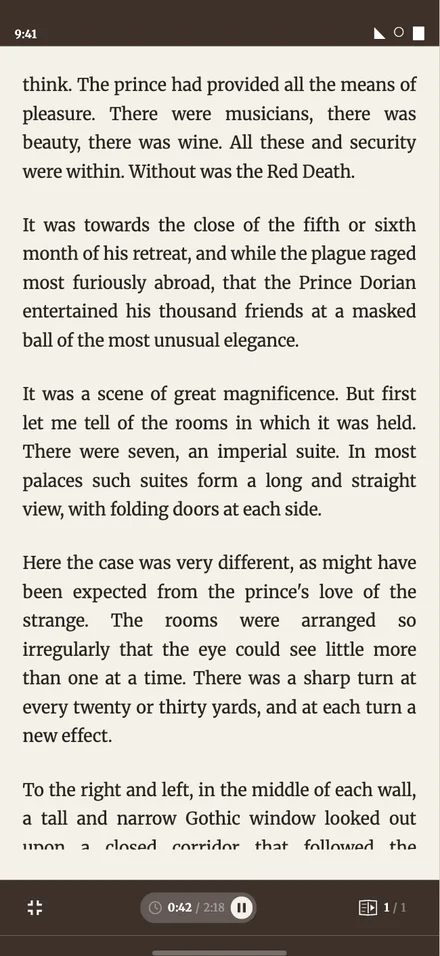
Each level has its own narration, with tempo adapted to difficulty. Slower for beginners, natural pace at the original. Word-by-word highlighting follows along.
Vocabulary Cards
The vocabulary you meet while reading becomes cards built from real sentences in your stories. Flip and grade yourself in three modes: meaning, recall, and forms. Short sessions bring each word back at the right moment, so what you read stays with you.
In Your Language
Translations and definitions in Spanish, French, German, or Italian, written for the exact sentence you are reading. Or pick English and read with word meanings alone.
Faithful Adaptations
Not summaries. Real adaptations. Each story is rewritten at every reading level, and a validation pipeline checks every sentence against a vocabulary profile of 8,000+ words and 45+ grammar structures. The original is always the reference point.
The library
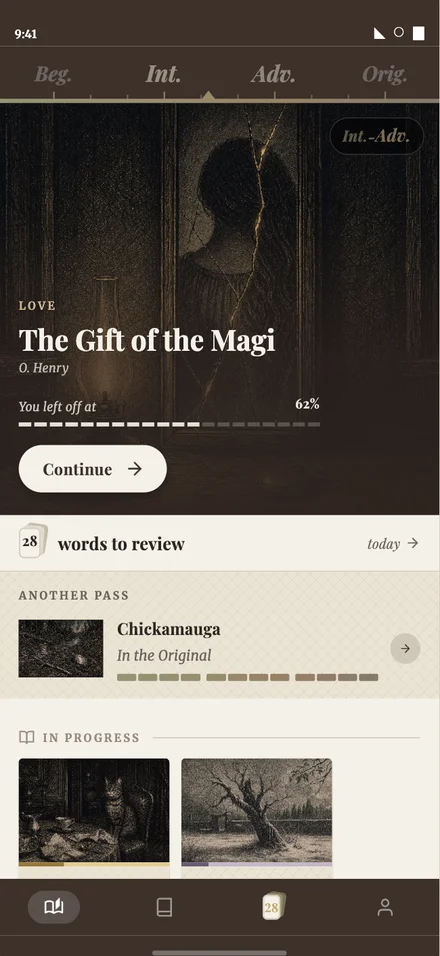
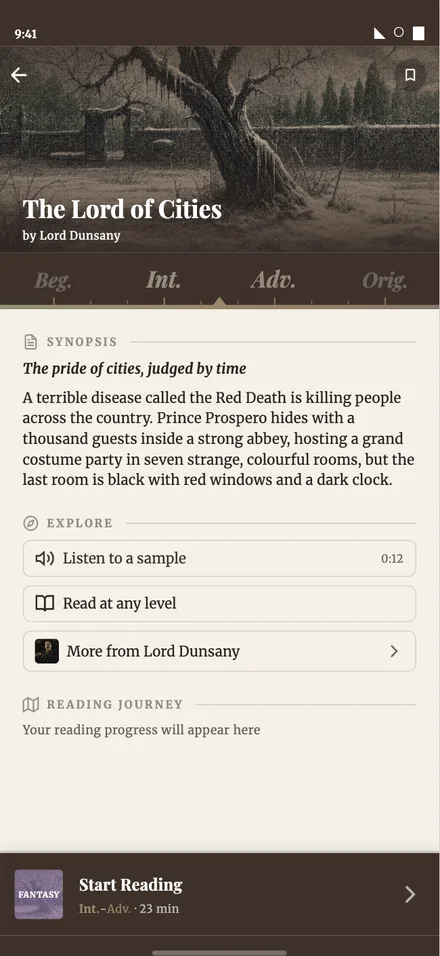
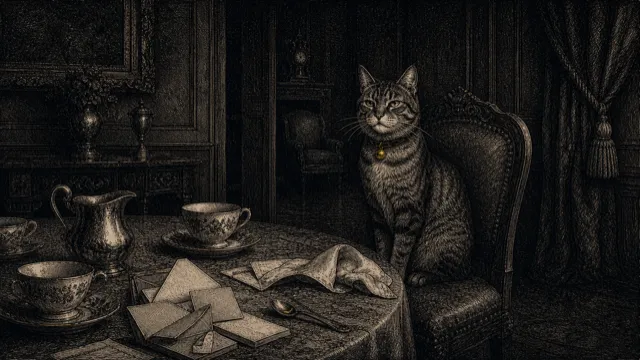
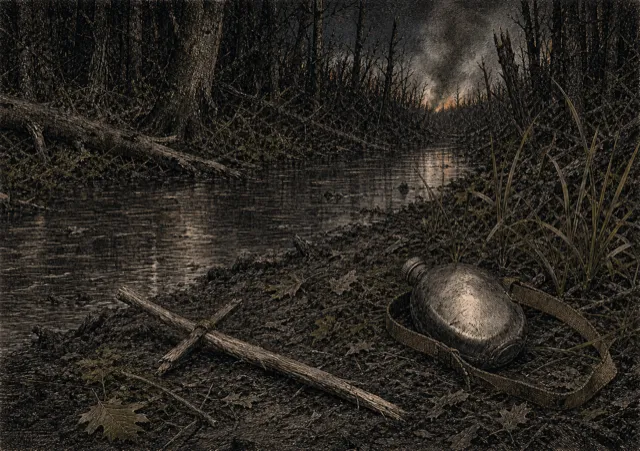
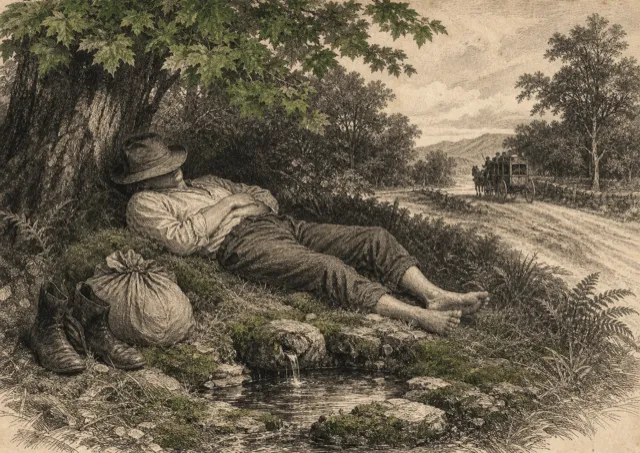
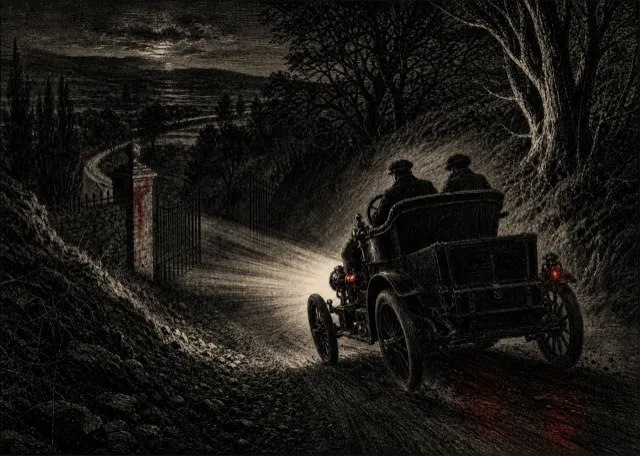
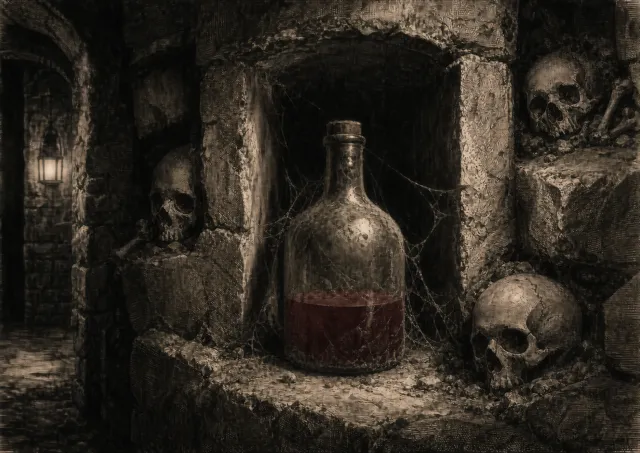
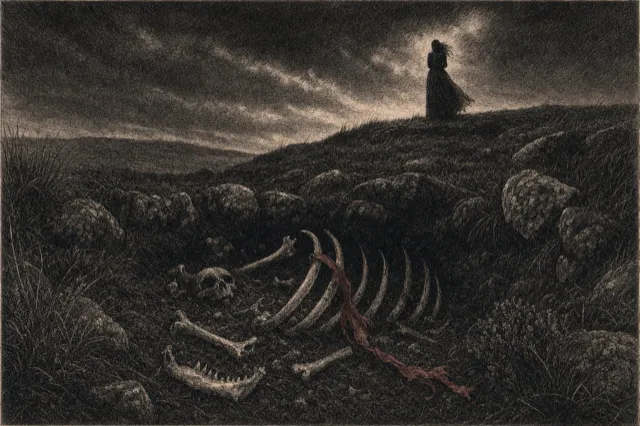
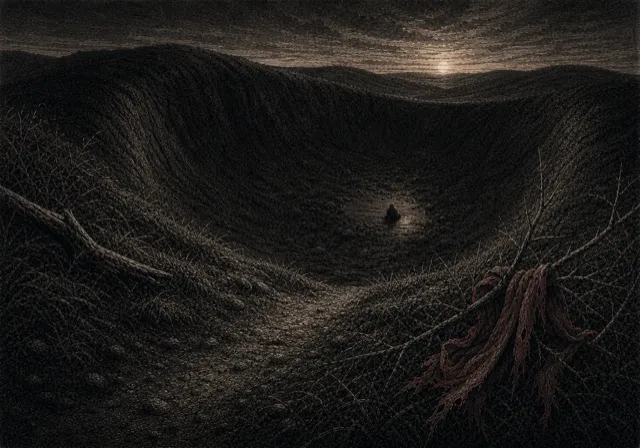
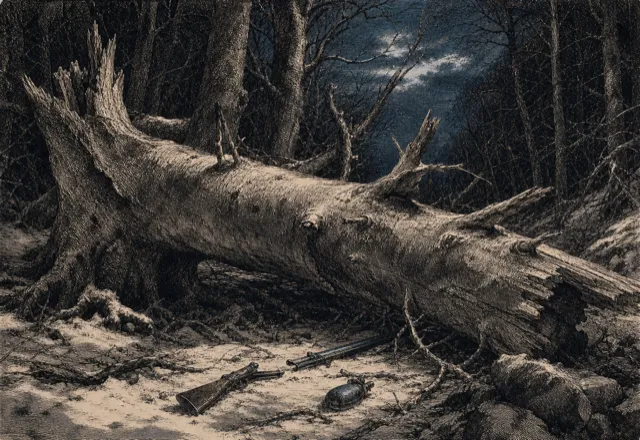
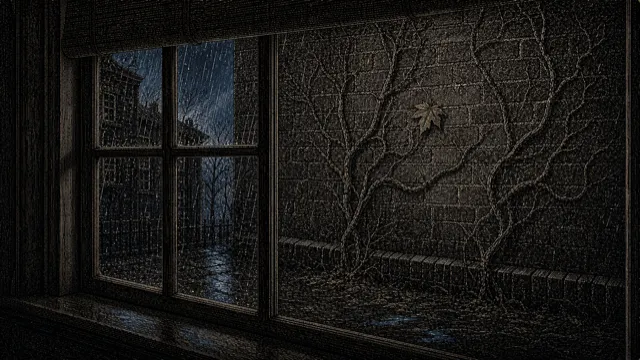
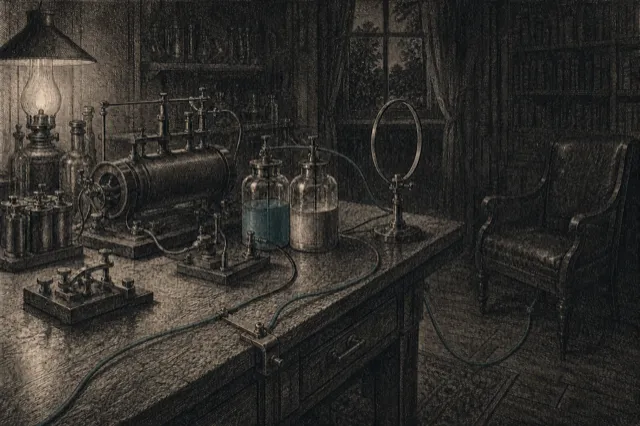
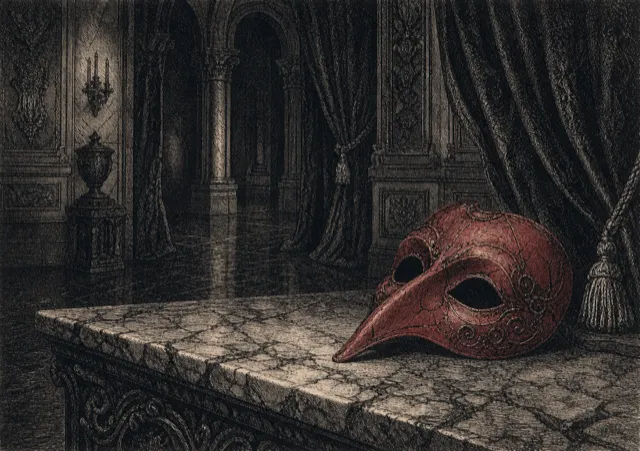
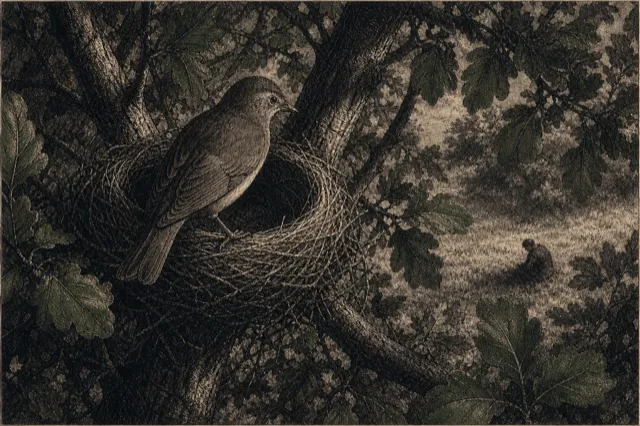
A selection from the catalogue: classic short stories, each adapted to every reading level. More titles keep arriving each week.



The reading loop
Your level isn't fixed. It evolves with every story you read.
Assess
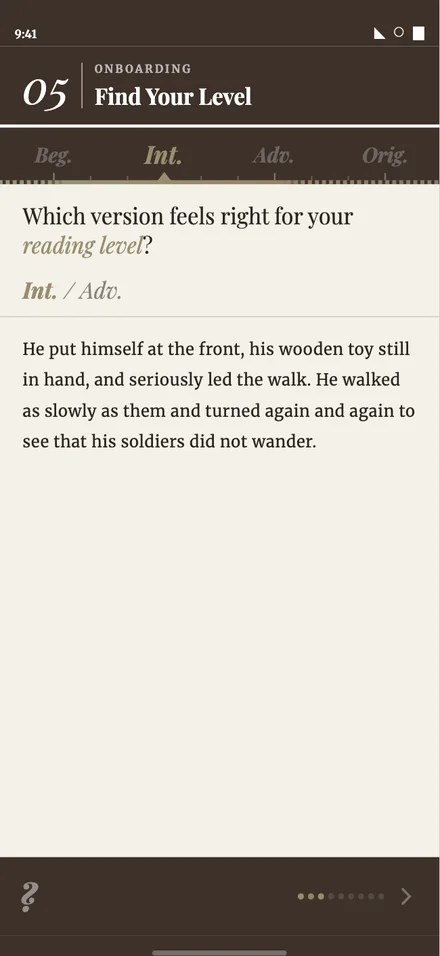
A quick placement determines your reading level. Not just "intermediate", but a precise point on the scale.
Read
Each read blends the two levels around your position, idea by idea. Sentence-by-sentence audio follows along; long-press any word to see its meaning and save it.
Review
The words you saved come back as vocabulary cards built from your stories' real sentences, each one at the right moment. What you read stays with you.
Respond
After each reading session, a quick survey: "How was this for your level?" Your feedback calibrates the system.
Grow
The system adjusts. Re-read at a higher mix, or move to a new story. Your level evolves with every page.
The story behind ByTheBook
I grew up reading in Spanish: Mann's The Magic Mountain, Walser's Jakob von Gunten, Auster's The Book of Illusions, King's Hearts in Atlantis, Salinger's The Catcher in the Rye, all in translation. At some point I wanted to read the originals. Poe's Tell-Tale Heart, where every sentence tightens like a knot and you can feel the narrator losing his mind through the rhythm alone. Sterne's Tristram Shandy, with its tireless digressions that somehow say more by never getting to the point. Beckett's Watt, that spare, relentless prose that keeps interrogating its own language as if words themselves were suspect. O. Henry's The Last Leaf, where the whole weight of the story hangs from a stem about to break.
But the gap between "I can hold a conversation in English" and "I can actually read these" was enormous. Textbooks taught me grammar and vocabulary, genuinely useful but not enough to sit through Sterne's digressions within digressions. Graded readers got me closer, and I'm grateful they exist, but they had to simplify so much that what I was chasing wasn't there anymore: the author's voice, the way a sentence feels.
"The pleasure of the sentence is to a high degree cultural. We are playing with an exceptional object, whose paradox has been articulated by linguistics: immutably structured and yet infinitely renewable: something like chess."
Roland Barthes, The Pleasure of the Text
I think there's something irreplaceable about reading literature in its original language: not as an exercise, but as a way to understand how someone else thinks and writes. I built ByTheBook because I wanted something that would walk me there, not drop me in the deep end. At the lower levels a lot gets lost. It has to. But sentence by sentence, the author's style comes back: the irony, the rhythm, the phrasing. By the time you reach the original, you can actually read it, not because you skipped the hard parts, but because you grew into them.
Every story in ByTheBook is a public domain work, written by authors who gave us some of the most extraordinary prose in the English language. Adapting their writing is something I don't take lightly. Poe, O. Henry, Saki, Bierce: each one had a voice so distinctive that even a single sentence can be enough to recognize them. This project exists because of what they left behind, and the least we can do is try to bring more readers to their work, not away from it. The adaptations are always a bridge, never a replacement. The original is always the destination.